

From Slow Fashion to Hospitality, This Delhi Entrepreneur Is Building Brands with Heart

What happens when creativity refuses to stay in just one industry?
For this inspiring Delhi woman entrepreneur, the answer has been two passion-driven ventures—Swatimodo, a bespoke slow-fashion footwear brand, and The Pantry Car, a dining destination built around food, hospitality and community.
As a co-founder working alongside her husband, she has created businesses that may look completely different on the surface, but share one powerful philosophy: quality, thoughtful craftsmanship and meaningful personal experiences.
Her entrepreneurial journey is a story of taking risks, trusting instincts, learning to delegate and finding her own definition of success.
Meet the Woman Behind Swatimodo and The Pantry Car
At the heart of her professional journey are two distinct worlds.
Through Swatimodo, she creates handcrafted, made-to-order footwear for conscious consumers and design lovers who value individuality, comfort and craftsmanship over mass-produced fashion.
The brand embraces the principles of slow fashion, focusing on bespoke designs and the artistry that goes into creating every pair.
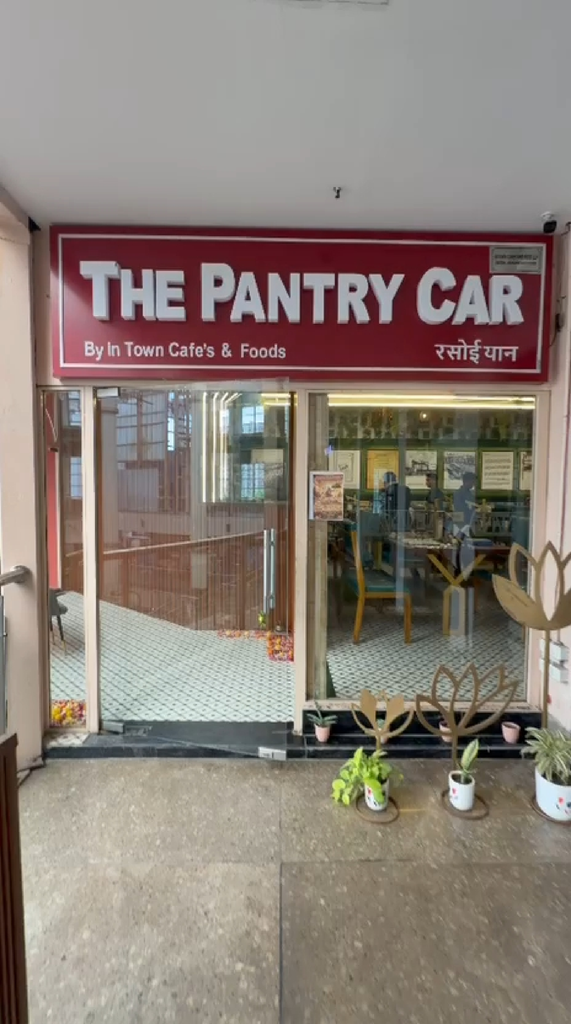
On the other hand, The Pantry Car brings her passion for food and community to life. The dining space focuses on quality food, authentic culinary experiences and warm hospitality.
While one business celebrates what we wear and the other celebrates what we eat, both are built around the same idea—creating experiences that people remember.

What Inspired Her Entrepreneurial Journey?
For her, entrepreneurship began with a desire for creative freedom.
She wanted to create products and experiences that felt personal, intentional and well-crafted.
With Swatimodo, she noticed an opportunity to move away from mass-produced footwear and create bespoke designs that combine comfort and distinctive style.
The Pantry Car emerged from her love for hospitality and the belief that food has the power to bring people together.
Whether it is a handcrafted pair of shoes or a memorable meal shared with loved ones, her businesses are connected by a simple purpose: to create something meaningful.
Taking the Leap: Choosing Action Over the Perfect Moment
Every entrepreneur reaches a point where an idea needs to become action.
For her, that moment came when she realised that waiting for the perfect time would only mean continuing with options that didn’t match her vision.
Building Swatimodo meant addressing the gap she saw in the footwear industry.
Launching The Pantry Car meant entering the challenging world of hospitality and accepting the risks that came with it.
Her journey is a reminder that entrepreneurship isn’t always about having complete certainty.
Sometimes, it is about trusting your vision and taking the first step.
The Biggest Challenges of Building Two Businesses
Running businesses in two completely different industries naturally comes with different challenges.
Building a Slow-Fashion Brand
For Swatimodo, one of the biggest challenges has been developing a reliable supply chain while maintaining the standards expected from bespoke, handcrafted products.
Finding skilled artisans who understand precision and craftsmanship is only one part of the journey.
There is also the task of helping customers understand why handcrafted, made-to-order footwear takes time—and why that time adds value.
Managing a Hospitality Business
At The Pantry Car, the challenge is consistency.
Food quality, staff management and customer experience need attention every single day.
Hospitality leaves little room for error, making strong systems and an engaged team essential.
And when you’re managing two businesses, there is another important lesson: you cannot do everything yourself.
The Entrepreneurship Lesson That Changed Everything
One of her biggest early mistakes was trying to control every detail herself.
From design decisions at Swatimodo to daily operations at The Pantry Car, she believed that being involved in everything was necessary.
Eventually, it resulted in burnout and operational bottlenecks.
That’s when she discovered one of the most important lessons of entrepreneurship:
Delegation isn’t losing control. It’s creating room for growth.
By building systems and trusting her team, she was able to focus more on strategy, creativity and long-term business growth.
Her Proudest Achievement as an Entrepreneur
One of her biggest professional milestones has been receiving the President’s Award for Swatimodo.
For her, the recognition represented more than an award. It validated the brand’s commitment to slow fashion, handcrafted excellence and artisan craftsmanship.
But some of her proudest moments happen away from award ceremonies.
It is seeing customers genuinely enjoy their Swatimodo footwear.
It is walking into The Pantry Car and seeing families and friends sharing meals and creating memories.
Because for her, success isn’t only measured in awards—it is measured in the lives touched by the businesses she has built.
Three Lessons Every Woman Entrepreneur Should Know
If you’re thinking about starting your own business, her advice is worth bookmarking.
1. Trust Yourself
You don’t need to have everything figured out before you begin.
Clarity often comes through execution. Trust your instincts and be willing to learn along the way.
2. Learn to Delegate
Trying to handle every single task yourself can quickly lead to burnout.
Build systems, hire the right people and give your team the opportunity to take ownership.
3. Define Your Own Success
Success doesn’t have to follow someone else’s formula.
Your business should reflect your values, your priorities and your vision.
For some entrepreneurs, that could mean rapid growth. For others, it could mean sustainability, creativity, family time or community impact.
What Does Financial Independence Mean to Her?
For this entrepreneur, financial independence isn’t simply about having a certain amount of money in the bank.
It represents choice, freedom and agency.
It means having the freedom to build businesses according to her values, provide stability for her family and create opportunities for others.
It also means supporting artisans and teams while encouraging other women to pursue their own entrepreneurial journeys.
Her philosophy is clear: money is a tool, while true financial independence is the freedom to live and build intentionally.
Being a Woman Entrepreneur in Delhi
There is a special kind of energy that comes with building a business in Delhi.
According to her, Delhi offers women entrepreneurs a unique combination of cultural depth, consumer diversity, access to artisans and entrepreneurial opportunities.
For a brand like Swatimodo, Delhi-NCR provides access to traditional craftsmanship and supply networks.
The city’s diverse consumer base also offers entrepreneurs the opportunity to test ideas, receive honest feedback and evolve quickly.
But perhaps the biggest advantage is something less tangible—the famous Dilli spirit.
The confidence to negotiate, speak up, take risks and claim your space.
Balancing Entrepreneurship, Family and Motherhood
Building two businesses while homeschooling twins means life is naturally busy.
But she doesn’t view work and family as completely separate worlds.
Instead, she believes in integration and intentional presence.
Her children get to see creativity, problem-solving and entrepreneurship happening around them, while she and her husband work together to build their businesses and family life.
For her, balance isn’t about dividing every day into perfectly equal portions.
It is about knowing what matters, communicating openly and being fully present in whichever role she is playing.
Why Mental Well-Being Matters in Entrepreneurship
For any entrepreneur, the mind is one of the most important business assets.
She believes mental well-being is the foundation of sustainable entrepreneurship.
Better mental health leads to better decision-making, stronger relationships and clearer leadership.
Her approach to recharging includes spending time with her family, creative exploration, quiet time with her husband and stepping away from business when needed.
Her message is one many founders could use as a reminder:
Self-care isn’t a reward for hard work. It is part of sustaining the work.
Her Delhi Girl Rapid Fire
Tea or Coffee? Tea
Early Bird or Night Owl? Night Owl
One book every woman should read? Becoming by Michelle Obama
Podcast/Creator recommendation? Speak Greasy with Gauri Devidayal
One app she can’t live without? Instagram
Favourite place in Delhi? Sunder Nursery
One woman who inspires her? Her mother
One word that defines her journey? Adventure
Success mantra? Keep faith and hopes high, but trust yourself.
The Delhi Entrepreneur to Watch
From slow-fashion footwear to hospitality, her journey proves that entrepreneurship doesn’t have to fit into a single definition.
It can be creative. It can be challenging. It can involve multiple industries, multiple roles and plenty of uncertainty.
Most importantly, it can be deeply personal.
Through Swatimodo and The Pantry Car, she is building businesses around the things she believes in—craftsmanship, quality, community, creativity and connection.
And perhaps that is the most inspiring part of her story: she isn’t simply building brands.
She’s building a life around her passions, on her own terms.