For decades, women have been told that life peaks in their 30s and slows down after 50. But what if your 50s, 60s and beyond are actually the beginning of your most confident, independent and purpose-driven years?
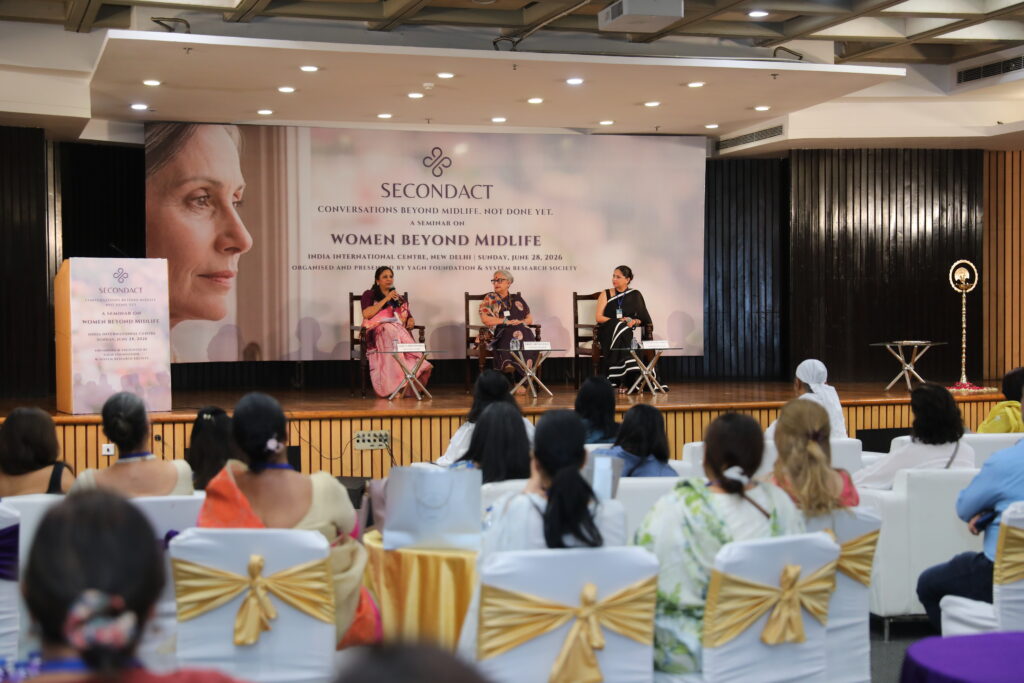
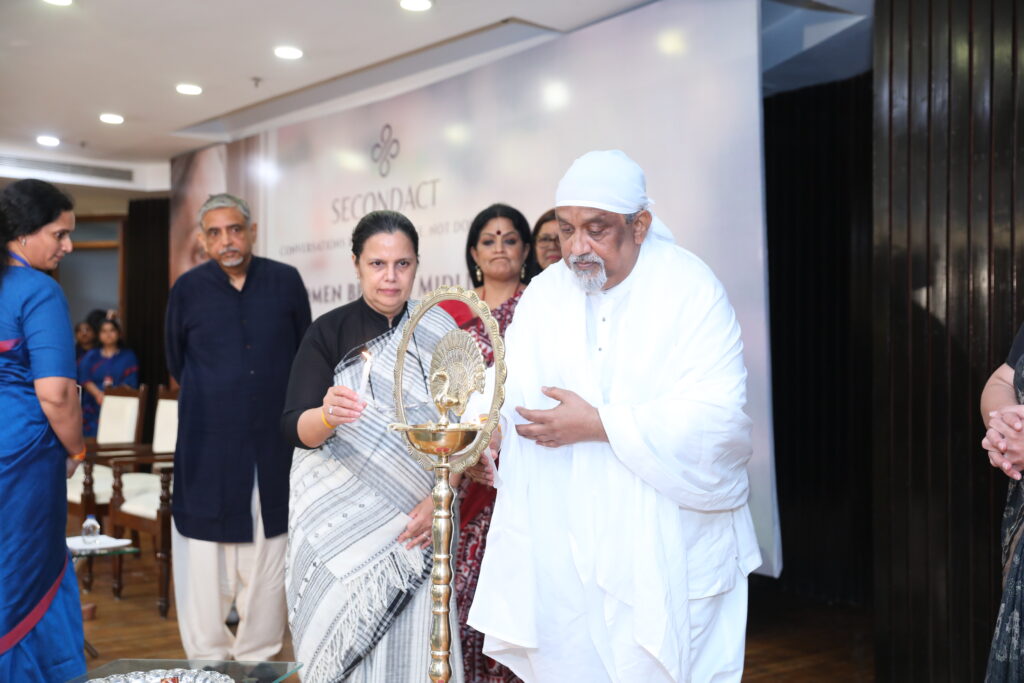
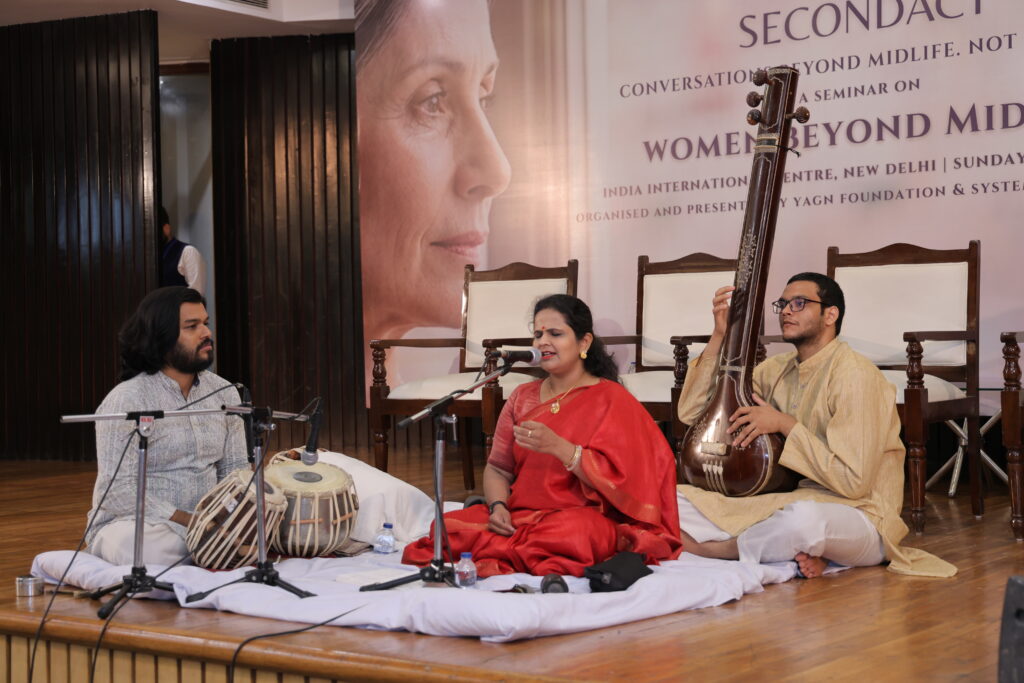
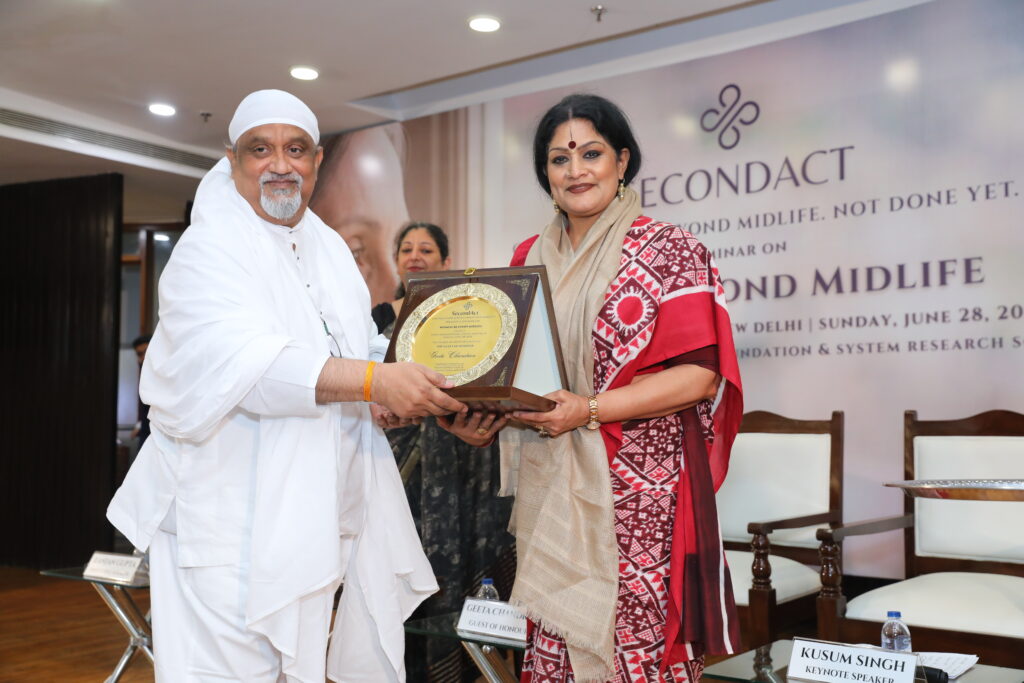
That was the central idea behind The Second Act: Women Beyond Midlife, a one-day seminar organised by Yagn Foundation in collaboration with System Research Society (SRS) at the India International Centre, New Delhi. Held under the mentorship and guidance of Spiritual Master Shree Shree Babaji, the event brought together doctors, financial experts, technology leaders and inspiring women to discuss a stage of life that is often overlooked—yet experienced by millions.
Why this conversation matters to Delhi women
Delhi is home to women who effortlessly balance demanding careers, families, ageing parents, social commitments and increasingly, caregiving for grandchildren. Many are also rediscovering themselves after children move out, retirement approaches or life takes an unexpected turn.
Yet conversations around menopause, financial planning, digital safety and finding a renewed purpose after 50 rarely make it into mainstream discussions.
The seminar sought to change that.
Curated around the theme “Women Beyond Midlife: Informed, Empowered & Thriving,” the event encouraged women to see ageing not as an ending but as an opportunity for reinvention.
Health beyond menopause
The first panel explored one of the biggest concerns for women over 50—health.
Medical experts discussed menopause, hormonal changes, heart health, osteoporosis, sleep disorders, cognitive wellbeing and healthy longevity. Instead of treating these as unavoidable consequences of ageing, the conversation focused on early awareness, preventive healthcare and evidence-based lifestyle changes that can help women remain active and independent for decades.
For many Delhi women juggling professional and personal responsibilities, understanding these changes can be the difference between merely ageing and ageing well.
Money matters more than ever
One of the most engaging sessions centred around financial independence.
Experts spoke about retirement planning, wealth management, wills, legacy planning and long-term financial security—subjects many women traditionally leave to spouses or family members.
With longer life expectancy and changing family structures, financial literacy has become an essential life skill rather than an optional one.
The discussion encouraged women to actively participate in financial decisions and build confidence in managing their own futures.
Staying safe in the digital age
Whether it’s online banking, artificial intelligence, WhatsApp scams or deepfake videos, technology is transforming everyday life.
The seminar examined both sides of the digital revolution—its risks as well as its opportunities.
Experts discussed cyber safety, misinformation, digital fraud and practical ways women can protect themselves online. At the same time, they highlighted how technology can help women launch businesses, learn new skills, build communities and remain professionally active well beyond retirement.
For Delhi women increasingly embracing entrepreneurship and digital careers, this session offered timely insights.
Reinvention has no age limit
Perhaps the most inspiring discussion of the day explored life after 60.
Women from diverse professional backgrounds shared stories of starting over, pursuing long-forgotten passions, embracing lifelong learning and finding purpose in entirely new careers or community initiatives.
The message was simple yet powerful: retirement does not have to mean retreat.
It can become the beginning of a fulfilling second chapter.
Beyond personal growth: A call to nurture the planet
While the seminar focused on helping women rediscover purpose beyond midlife, it also broadened the conversation to include the role individuals can play in creating a better world for future generations.
An important highlight was Sacred Earth, an eco-spiritual initiative of the Partnership for Active Conservation Trust (PACT). The initiative advocates conscious living, environmental stewardship and inner transformation, encouraging people to see personal wellbeing and the wellbeing of the planet as deeply interconnected.
Its philosophy resonated strongly with the vision of Second Act—that the years beyond 50 are not only an opportunity for self-discovery but also a chance to contribute meaningfully to society and the environment. The initiative encouraged participants to embrace mindful living and collective responsibility, reinforcing the idea that wisdom gathered over the years can inspire positive change for communities and nature alike.
The message was both simple and profound: in the second act of our lives, let us work together to make this sacred Earth greener, kinder and more sacred for the generations yet to walk upon it.
A platform that goes beyond one event
The seminar also marked the launch of Second Act, a national initiative dedicated to creating informed conversations around longevity, purposeful ageing and life beyond midlife.
The platform plans to organise similar events across India, bringing together healthcare professionals, researchers, policymakers, entrepreneurs and social leaders to create practical solutions and supportive communities for people entering this new phase of life.
During the event, Shree Shree Babaji’s book The Night That Divided My Life, chronicling his two-decade journey of working with people, was also released.
Chief Guest Renu Narang, CEO of NTPC Vidyut Vyapar Nigam Ltd., remarked that initiatives like Second Act are helping shift the conversation on ageing “away from limitation and toward possibility,” recognising the immense wisdom, experience and contribution women continue to make in the later decades of life.
Why Delhi needs more conversations like this
As life expectancy increases and women remain professionally and socially active much longer than previous generations, the definition of ageing is rapidly changing.
For Delhi’s women, the years after 50 are increasingly becoming a time to launch businesses, travel, volunteer, mentor, learn new technologies, pursue creative passions and prioritise their own wellbeing.
The Second Act reminds us that midlife is not a closing chapter—it may well be the most empowering one yet.